Queen's Award Received in 2021 ISO 9001 Certified Delivered over 1,000,000 bio-reagents to life science researchers Trusted by Life Science Communities
Cart summary

You have no items in your shopping cart.

beta-Alanine

SKU: orb1227023

Description

An amino acid formed in vivo by the degradation of dihydrouracil and carnosine. Since neuronal uptake and neuronal receptor sensitivity to beta-alanine have been demonstrated, the compound may be a false transmitter replacing GAMMA-AMINOBUTYRIC ACID. A rare genetic disorder, hyper-beta-alaninemia, has been reported.(In Vitro):Cells treated with β-alanine display significantly suppressed basal and peak ECAR (aerobic glycolysis), with simultaneous increase in glucose transporter 1 (GLUT1). Additionally, cells treated with β-alanine exhibit significantly reduced basal and peak OCR (oxidative metabolism), which is accompanied by reduction in mitochondrial content with subsequent suppression of genes which promote mitochondrial biosynthesis. Suppression of glycolytic and oxidative metabolism by β-alanine results in the reduction of total metabolic rate, although cell viability is not affected.β-alanine is shown to reduce both cell migration and proliferation without acting in a cytotoxic fashion. Moreover, β-alanine significantly increases malignant cell sensitivity to doxorubicin, suggesting a potential role as a co-therapeutic agent.

Research Area

Pharmacology & Drug Discovery

Images & Validation

Key Properties

CAS Number107-95-9
MW89.09
Purity>98% (HPLC)
FormulaC3H7NO2
SMILESNCCC(O)=O
TargetAmino Acids and Derivatives
SolubilitySoluble in Water

Bioactivity

In Vitro
Cells treated with β-alanine display significantly suppressed basal and peak ECAR (aerobic glycolysis), with simultaneous increase in glucose transporter 1 (GLUT1). Additionally, cells treated with β-alanine exhibit significantly reduced basal and peak OCR (oxidative metabolism), which is accompanied by reduction in mitochondrial content with subsequent suppression of genes which promote mitochondrial biosynthesis. Suppression of glycolytic and oxidative metabolism by β-alanine results in the reduction of total metabolic rate, although cell viability is not affected. β-alanine is shown to reduce both cell migration and proliferation without acting in a cytotoxic fashion. Moreover, β-alanine significantly increases malignant cell sensitivity to doxorubicin, suggesting a potential role as a co-therapeutic agent.

Storage & Handling

StorageStorage temperature: -20°C. Stability: ≥ 2 years
Expiration Date12 months from date of receipt.
DisclaimerFor research use only

Similar Products

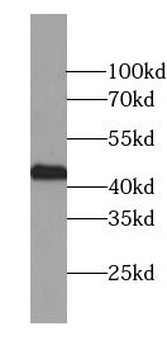
  • AGXT2 Antibody [orb417427]

    ELISA,  IF,  IHC,  WB

    Human

    Rabbit

    Polyclonal

    Unconjugated

    100 μg, 50 μg
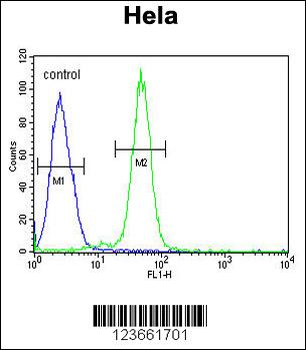
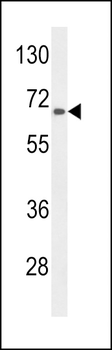
  • AGXT2 Antibody (C-term) [orb1927698]

    FC,  WB

    Human

    Rabbit

    Polyclonal

    Unconjugated

    50 μl, 100 μl
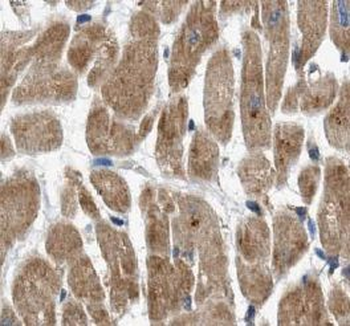
  • UPB1 Rabbit Polyclonal Antibody [orb632391]

    ELISA,  IHC,  WB

    Human, Mouse

    Rabbit

    Polyclonal

    Unconjugated

    50 μg, 100 μg
  • GPCR TGR7 Rabbit Polyclonal Antibody (PE) [orb487008]

    ICC,  IF

    Human

    Rabbit

    Polyclonal

    PE

    100 μl
  • UPB1 Rabbit Polyclonal Antibody [orb2954574]

    ELISA,  IHC,  WB

    Human, Mouse, Rat

    Rabbit

    Polyclonal

    Unconjugated

    50 μg, 100 μg
Quality Guarantee

Quality Guarantee

Explore bioreagents carefree to elevate your research. All our products are rigorously tested for performance. If a product does not perform as described on its datasheet, our scientific support team will provide expert troubleshooting, a prompt replacement, or a refund. For full details, please see our Terms & Conditions and Buying Guide. Contact us at [email protected].

Protocol Information