
You have no items in your shopping cart.
Developmental biology is the study of how living organisms develop and grow, from the earliest stages of life to adulthood. It is a multidisciplinary field that combines knowledge from genetics, molecular biology, cell biology, and evolution to understand how organisms develop and change over time.
Articles & Research Reviews
Featured Review
 Read more >
Animal Models
Read more >
Animal Models
 Read more >
Membrane Transporters
Read more >
Membrane Transporters
 Read more >
Endocrinology
Read more >
Endocrinology
 Read more >
Fibroblast Growth Factor Receptors
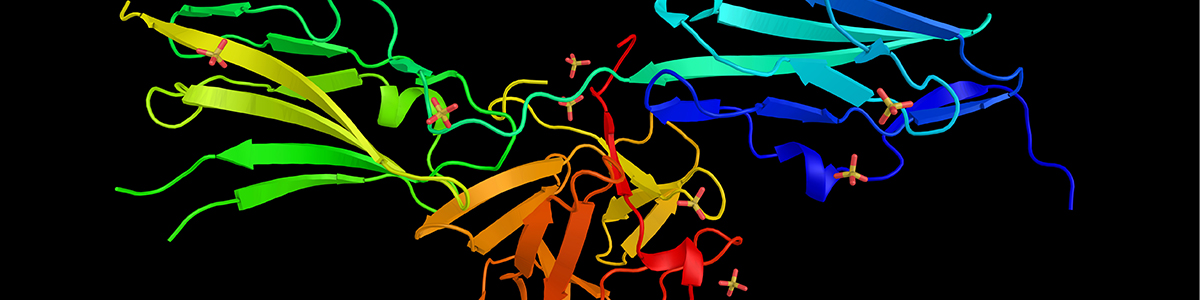
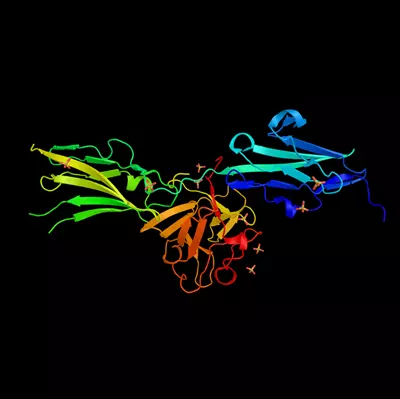
Fibroblast Growth Factor Receptors (FGFRs) are a family of FGF-binding transmembrane receptors that play essential roles in embryogenesis, tissue patterning, angiogenesis, and wound healing through complex signal transduction pathways.
Larger model animal species
It is important to ensure that you select the right animal model when your work enters the translational phase. Discover the physiological advantages and applications of larger animal species in preclinical research.
Solute Carriers
Solute carriers (SLC) are a group of membrane transport proteins comprising over 300 members, regulating the uptake and efflux of essential nutrients, ions, metabolites, and drug compounds across cellular membranes.
Vitamin D Research
Vitamin D is the fat-soluble precursor of the steroid hormone Calcitriol, serving critical regulatory functions in bone mineral homeostasis, cellular differentiation, and immune system modulation throughout development.