
You have no items in your shopping cart.
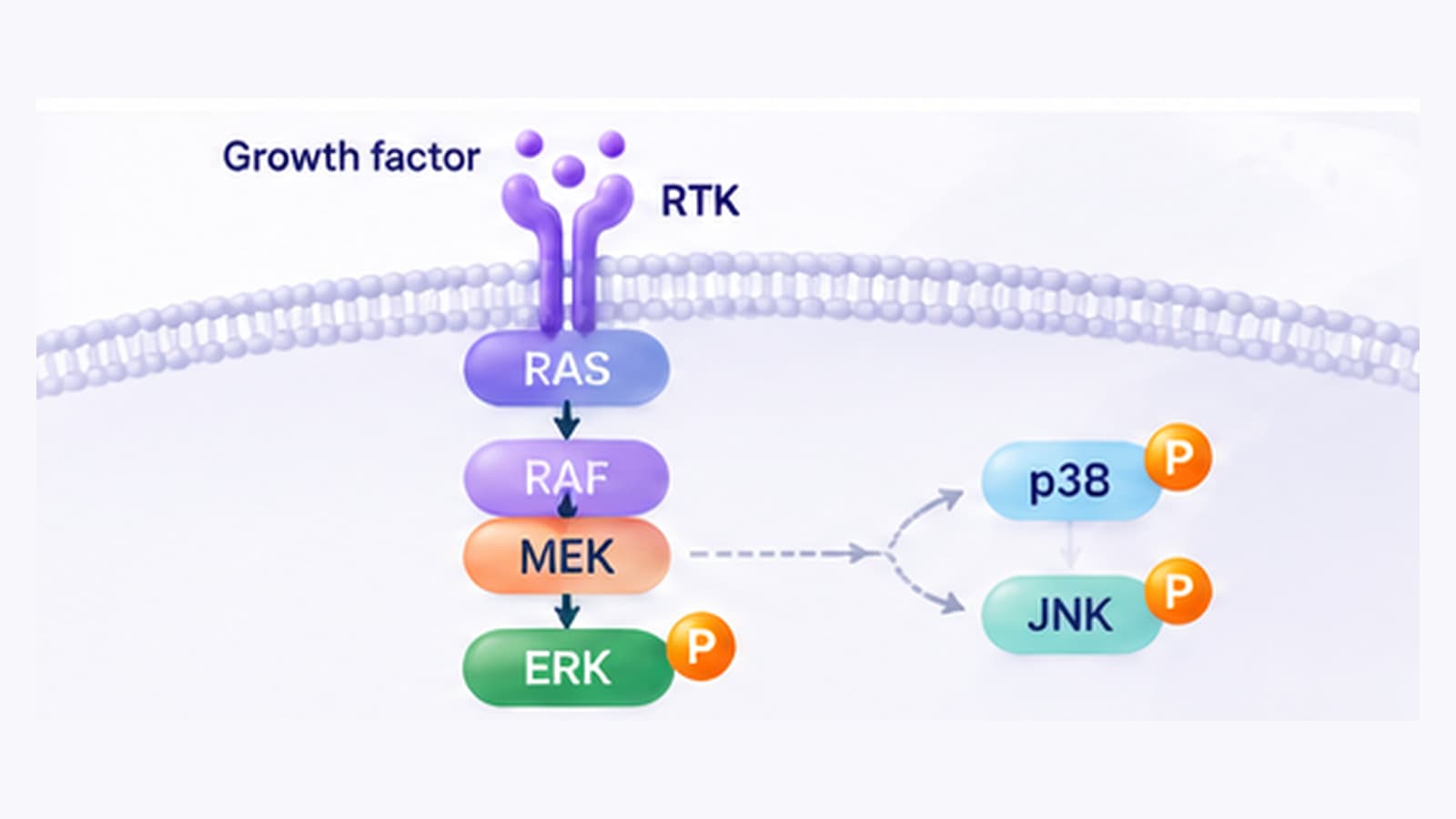
MAPK Signaling
Study phosphorylation across the RAF-MEK-ERK cascade and stress-activated JNK and p38 MAPK branches using site-specific phospho antibodies.
You have no items in your shopping cart.
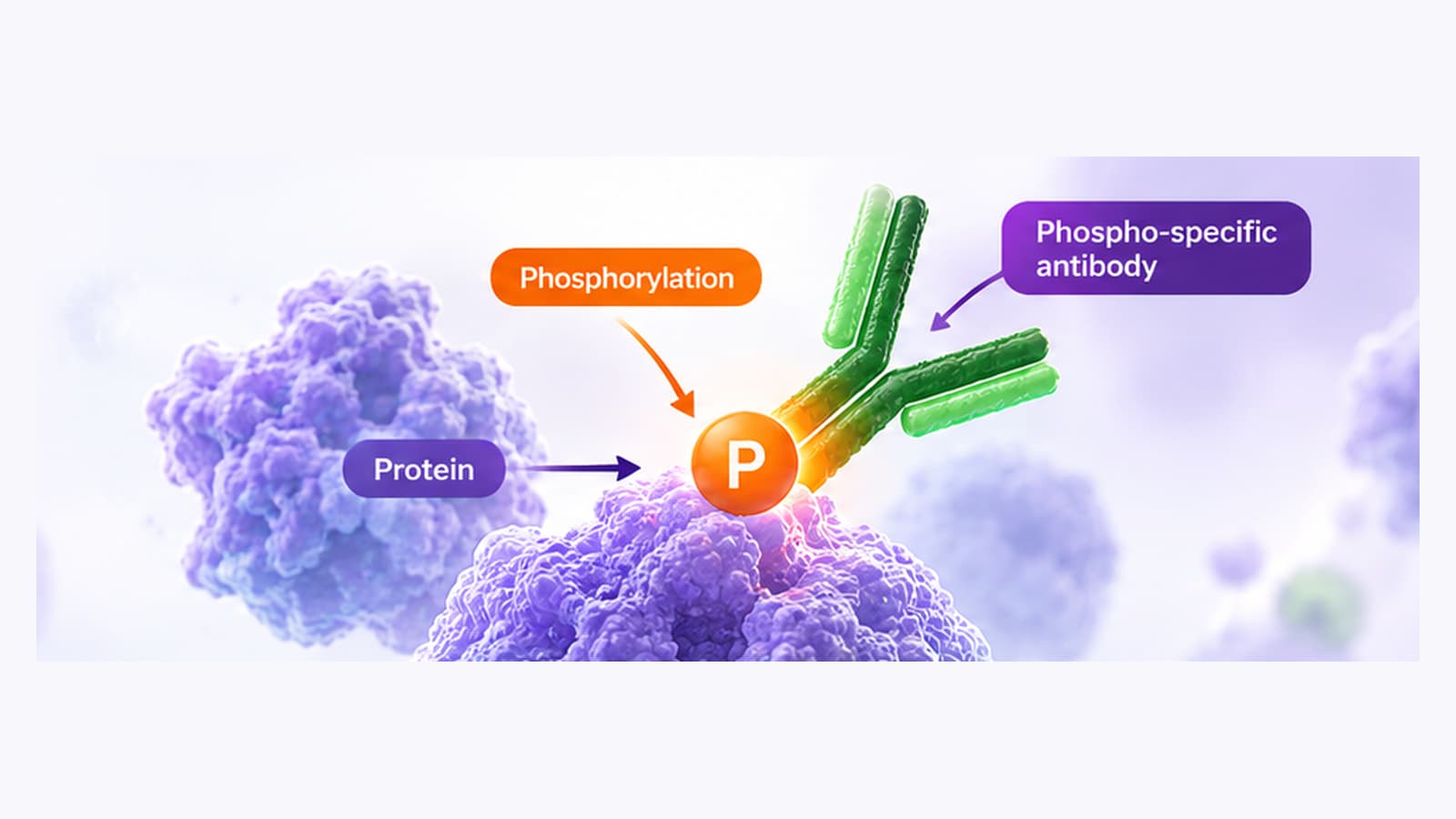
Detect site-specific protein phosphorylation with Biorbyt antibodies for Ser, Thr and Tyr phosphorylation events across major cell-signaling pathways.
Browse by signaling pathway or exact phospho site, then use the experimental guidance below to plan stimulation, preserve phospho-state and interpret phospho-specific signals alongside total protein.
Start with the signaling pathway you are studying and open the corresponding Biorbyt pathway guide for biological context, pathway components and research tools.
Study phosphorylation across the RAF-MEK-ERK cascade and stress-activated JNK and p38 MAPK branches using site-specific phospho antibodies.
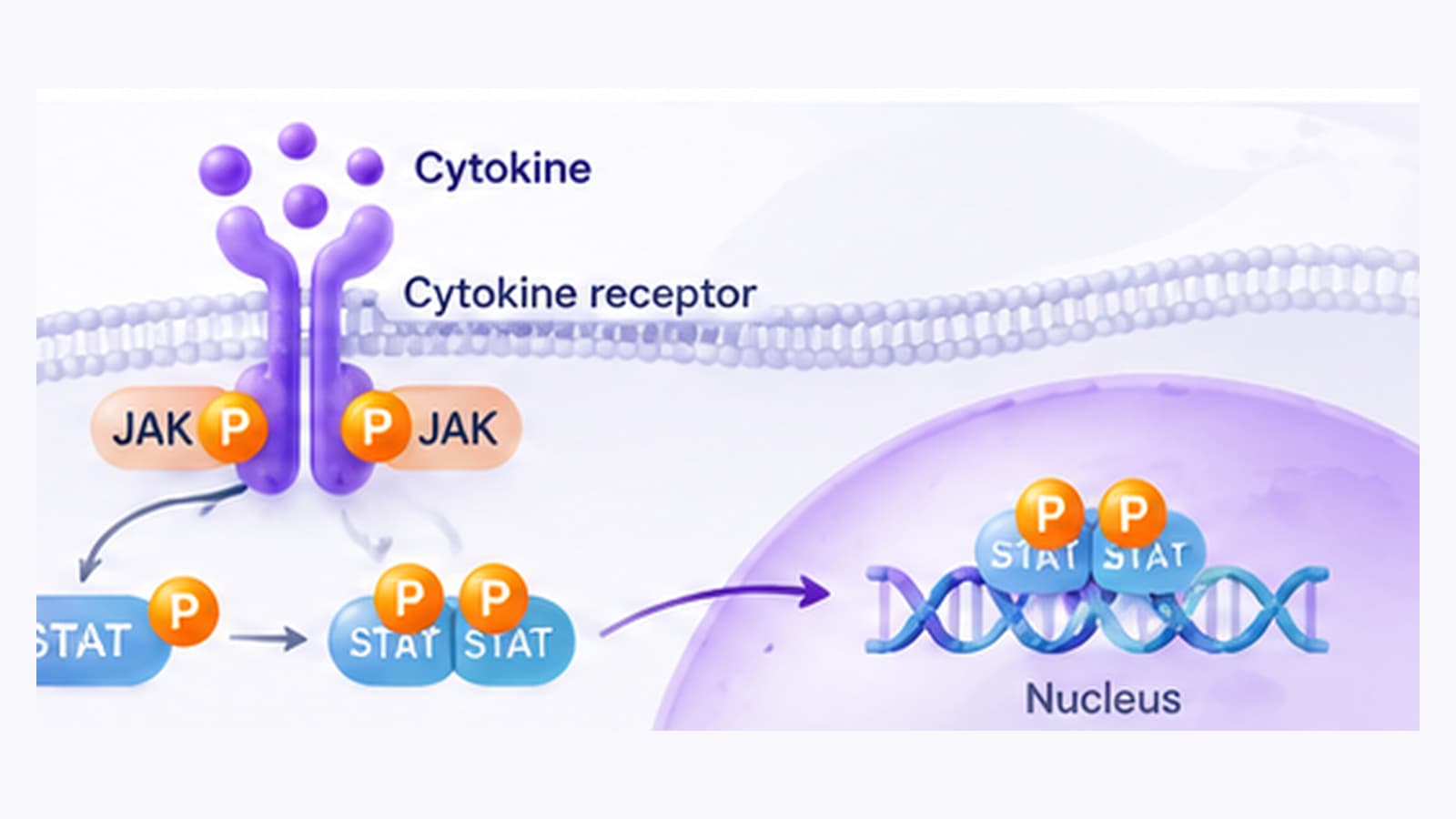
Monitor cytokine- and growth-factor-driven signaling through JAK-mediated phosphorylation and activation of STAT transcription factors.
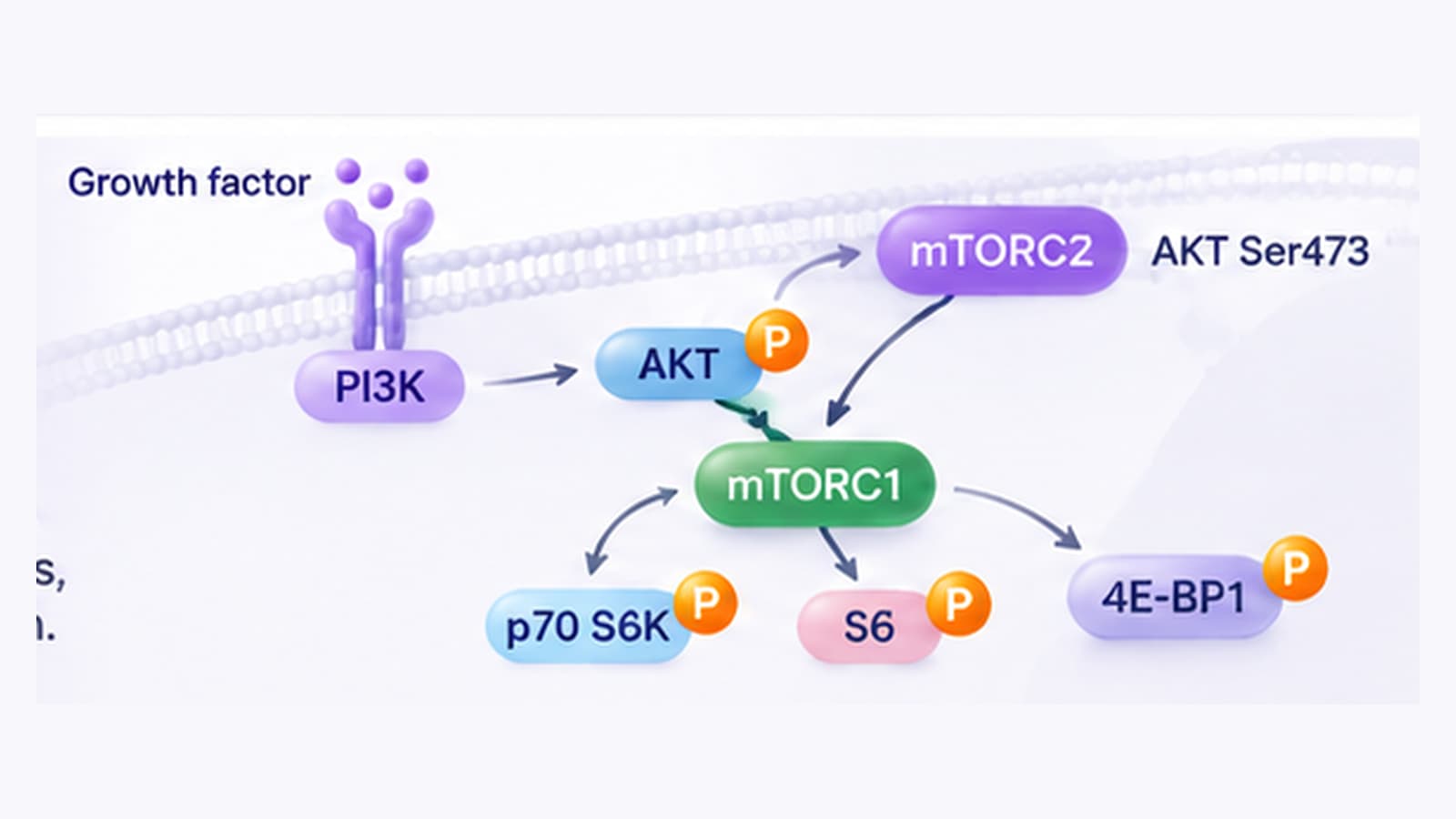
Follow phosphorylation across the AKT-mTOR axis, including mTORC1/2 signaling and downstream control of translation, growth and metabolism.
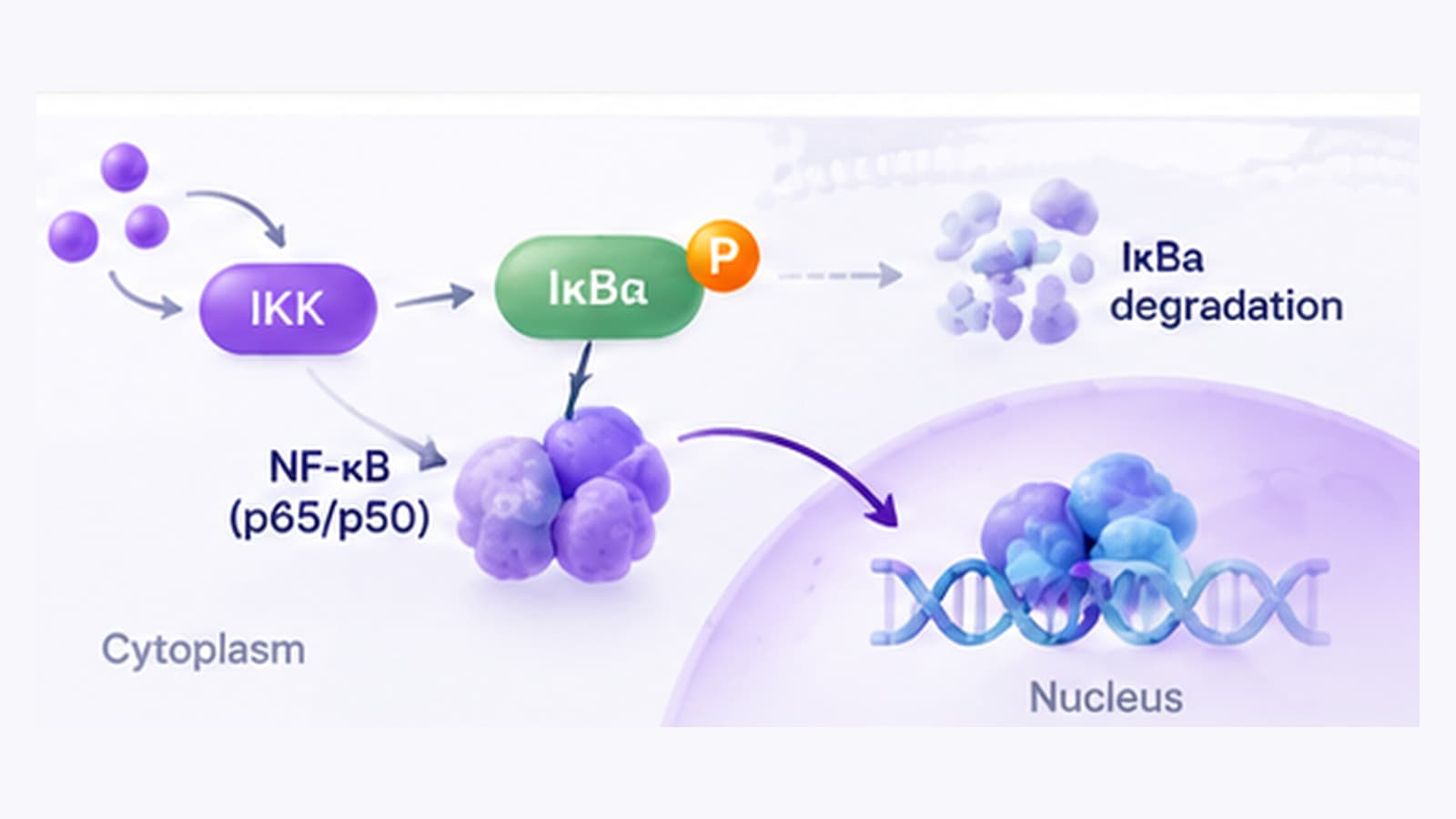
Investigate inflammatory and immune signaling through phosphorylation of IKK, IκB and NF-κB p65 pathway components.
Explore additional Biorbyt pathway and research-area guides where phosphorylation is an important regulatory mechanism or experimental readout.
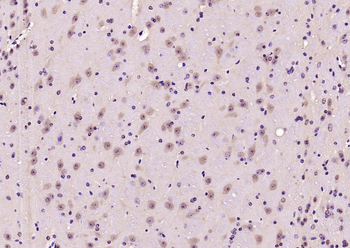
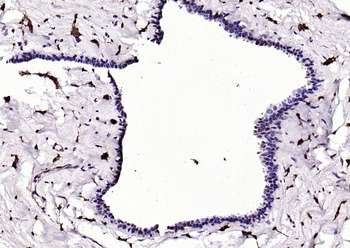
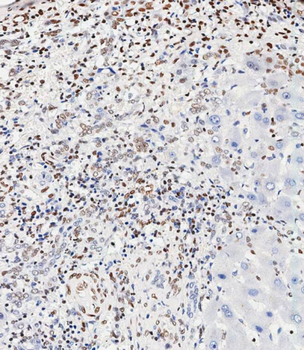
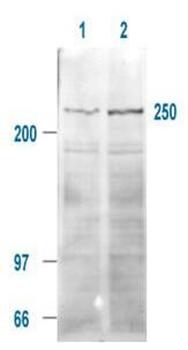
Browse representative Biorbyt phospho-specific antibodies for commonly studied phosphorylation events. Each card links to the product page and its validation data; use the secondary link to compare other antibodies targeting the same phospho site.

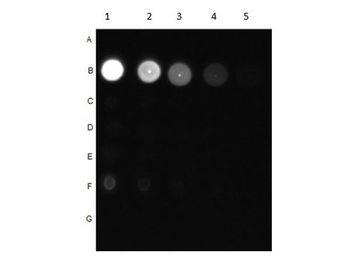
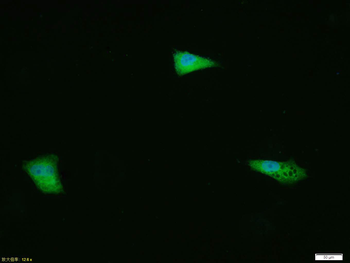
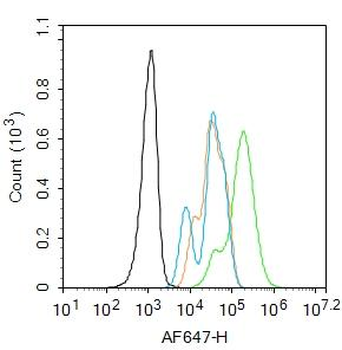
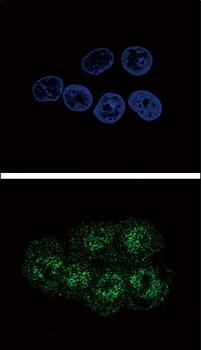
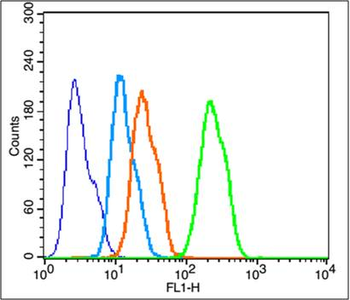
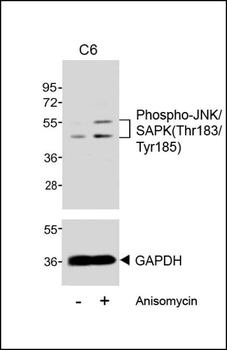
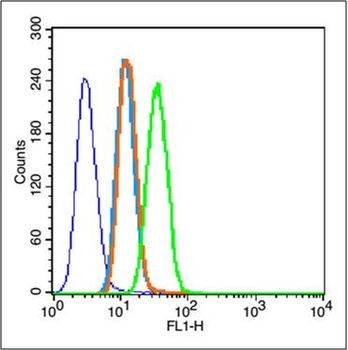
Phosphorylation is dynamic, site-specific and highly dependent on stimulation conditions. A useful phospho experiment starts with the biological event you want to measure, then controls sample handling and interpretation around that event.
Different sites on the same target can report different regulatory events. For example, AKT Ser473 and Thr308 should not automatically be treated as interchangeable readouts. Select the phospho site that matches your pathway question.
Growth factors, cytokines, stressors and drugs can produce rapid and transient phospho responses. If the kinetics are uncertain, use a time-course or dose-response design rather than relying on a single endpoint.
For lysate-based assays, harvest rapidly, work cold where appropriate and include compatible phosphatase inhibitors. Protease inhibitors protect protein integrity but do not replace phosphatase inhibitors. For phospho-flow, fixation timing is part of the measurement because signaling can continue after stimulation.
Include stimulated and unstimulated samples, and pathway inhibitors or other mechanistic controls where appropriate. Pair phospho-specific detection with the corresponding total target when you need to separate phosphorylation changes from changes in protein abundance.
Designed to preferentially recognise a target when a defined residue is phosphorylated. Use it to ask whether a specific phosphorylation event changes after stimulation, inhibition or treatment.
Measures overall target abundance without selecting for one defined phospho-state. Use it to determine whether an apparent phospho change may also reflect a change in total protein abundance.
Interpretation tip: for quantitative assays such as Western blotting, phospho and total signals can be evaluated together using an appropriate normalization strategy. For imaging or flow-based assays, interpret phospho-state in the context of the assay design and controls rather than assuming a simple phospho/total ratio is always appropriate.
Our scientific support team can help compare phosphorylation sites, pathway context, species reactivity, applications and validation data.