
You have no items in your shopping cart.
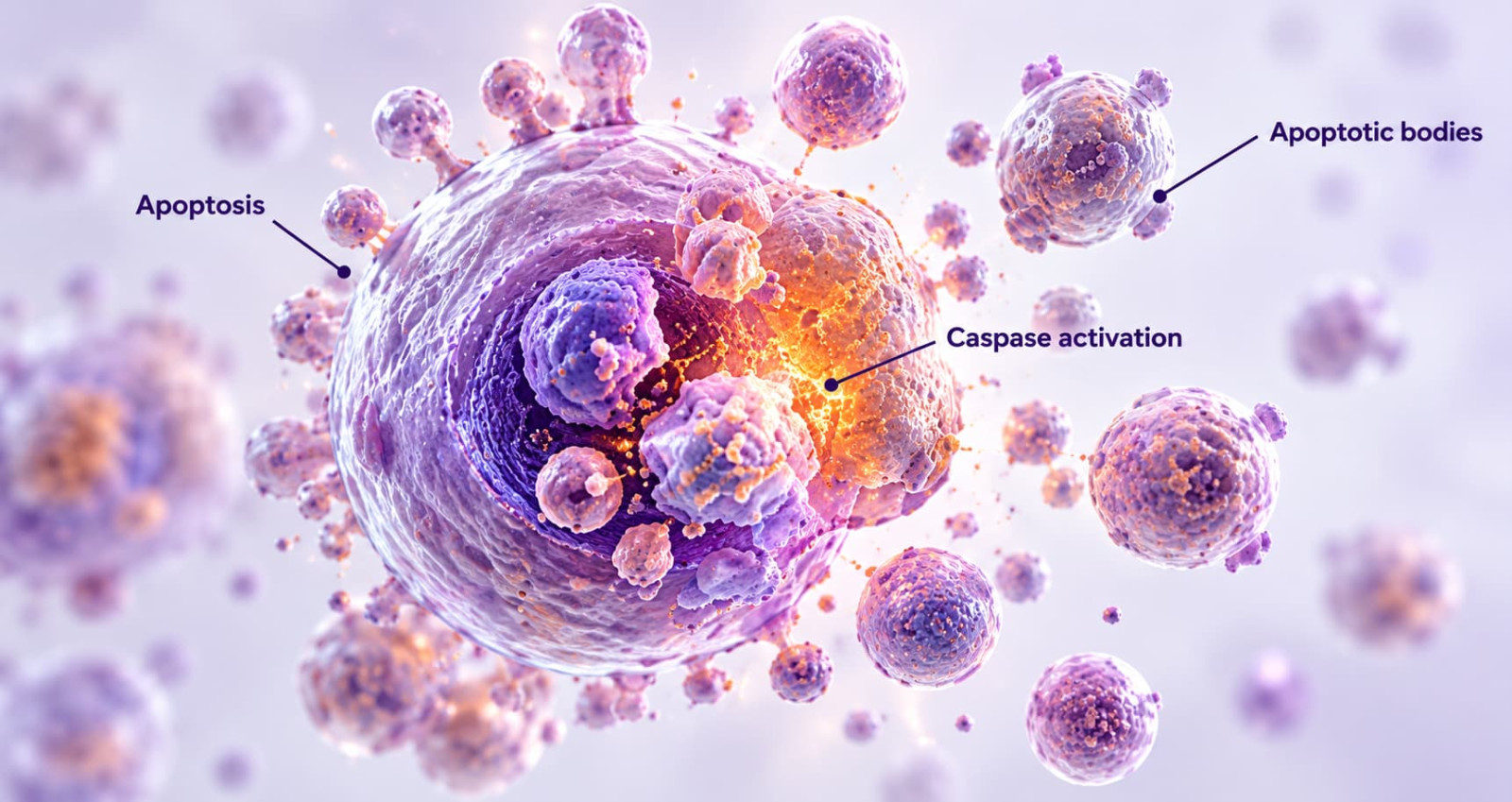
Cleaved Caspase Antibodies
Detect activated caspase fragments including cleaved Caspase-3, -7, -8 and -9 for apoptosis pathway research.
BrowseYou have no items in your shopping cart.
Detect proteolytically processed proteins with Biorbyt antibodies targeting cleaved fragments, cleavage-dependent epitopes and newly exposed protein termini.
Explore cleavage-specific antibodies for apoptosis, pyroptosis, Notch signalling, autophagy, extracellular matrix remodelling and other protease-regulated pathways.
Start with the cleavage-dependent target or pathway you need to investigate.
Detect activated caspase fragments including cleaved Caspase-3, -7, -8 and -9 for apoptosis pathway research.
Browse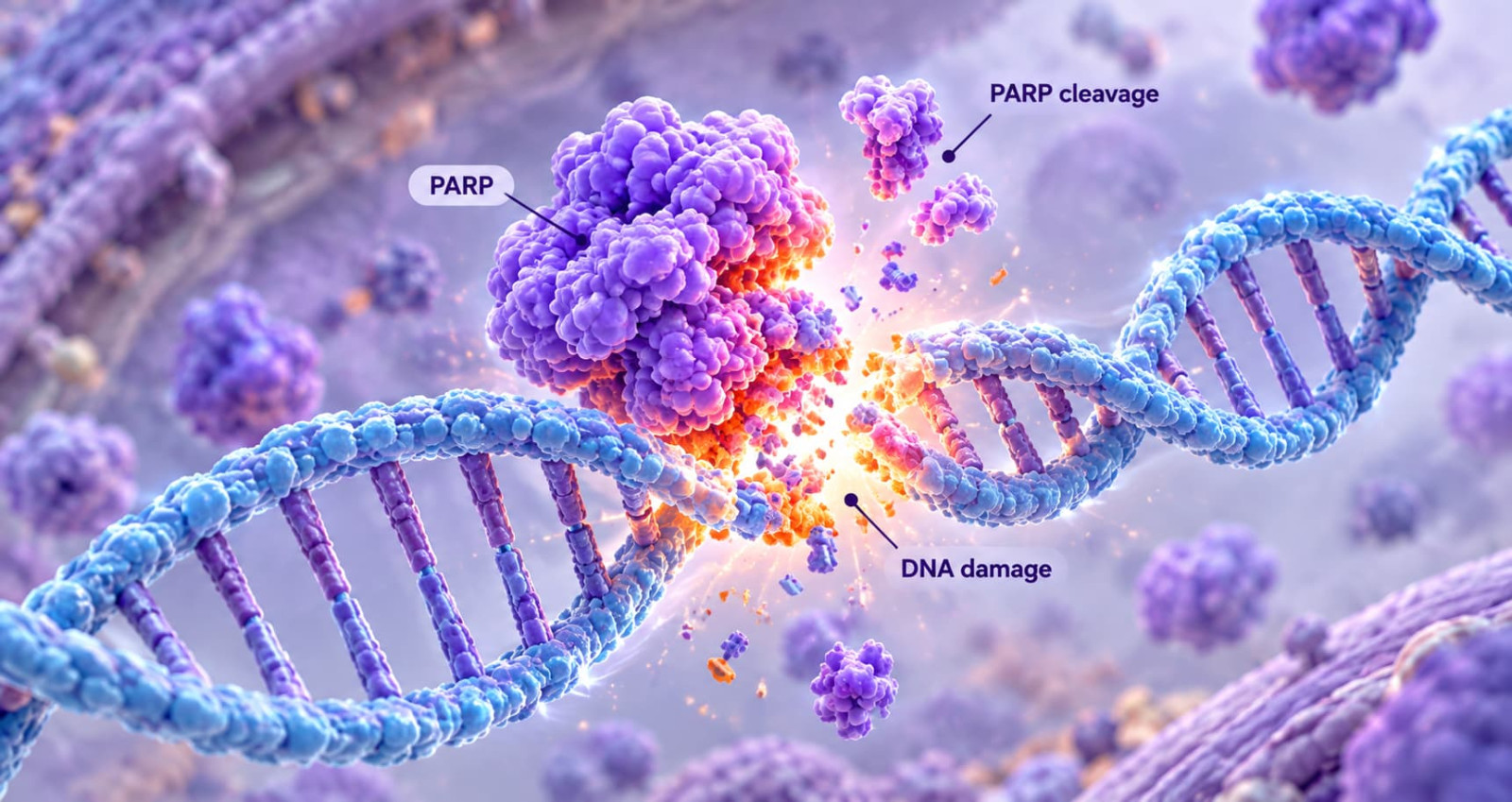
Study caspase-dependent PARP processing using antibodies that recognise cleaved PARP / PARP1 forms.
Browse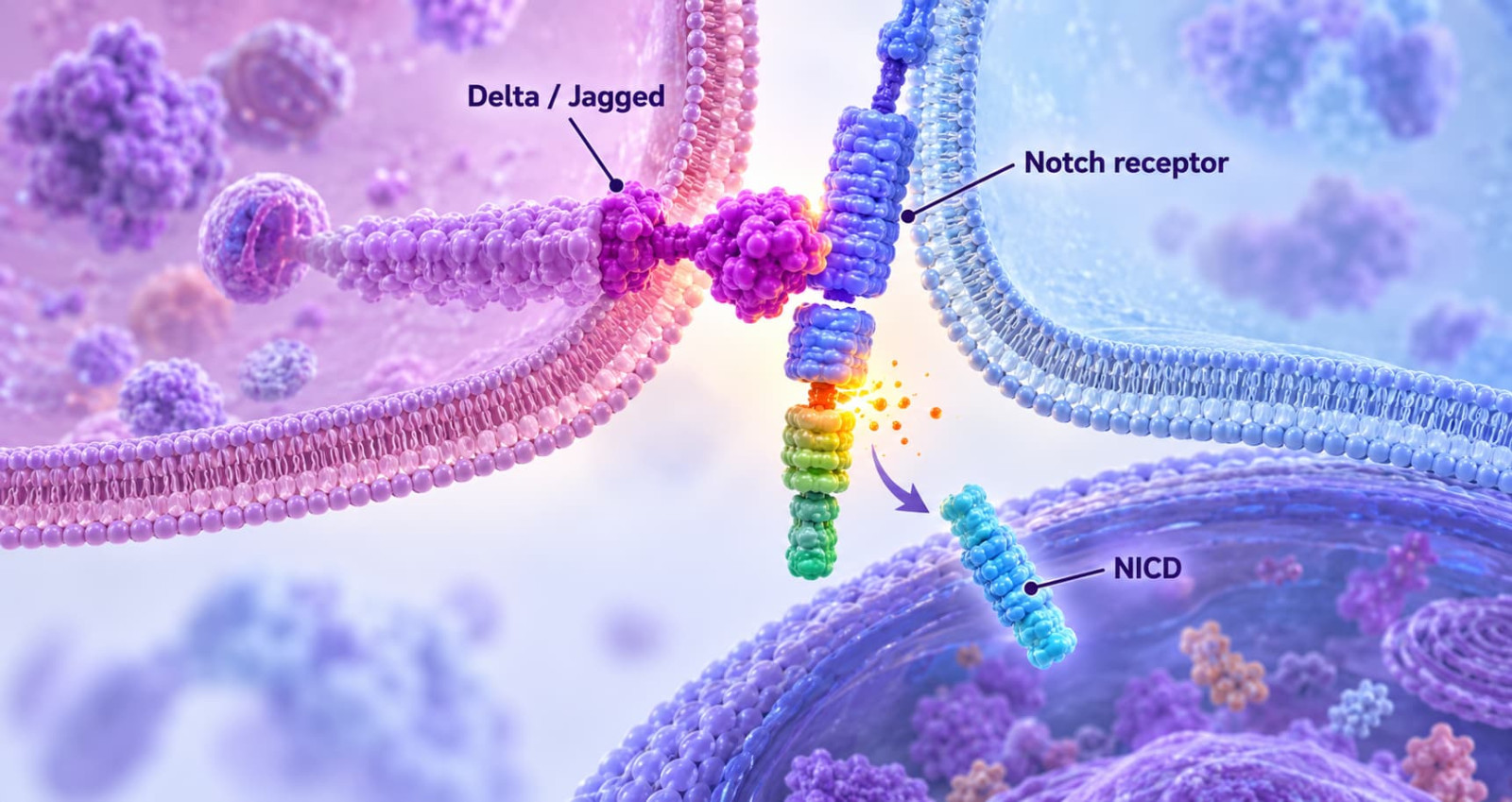
Detect proteolytically processed Notch receptors, including cleavage-specific Notch1, Notch2 and Notch4 targets.
Browse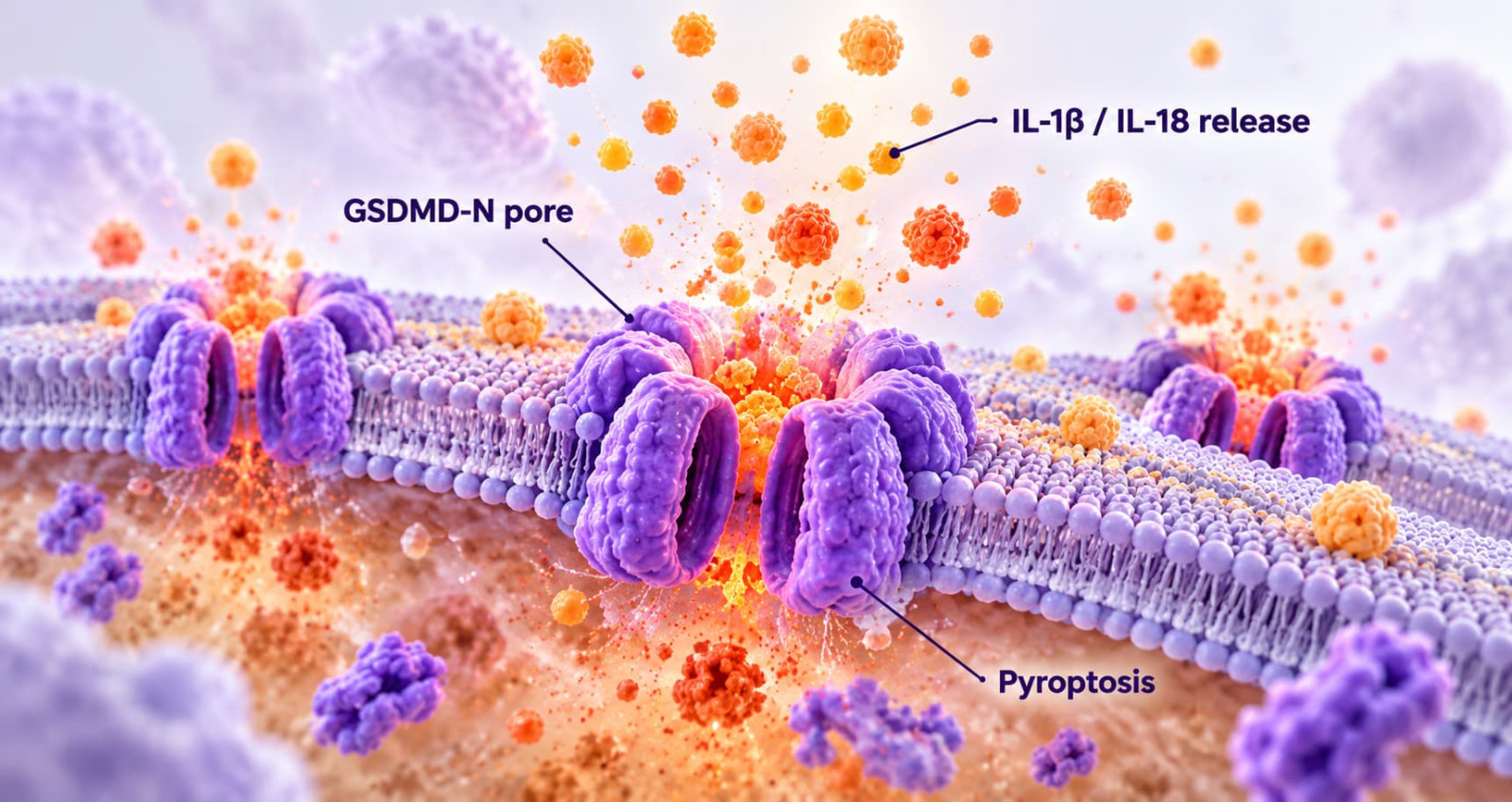
Study pyroptotic processing with antibodies targeting cleaved N-terminal or C-terminal Gasdermin D fragments.
BrowseExplore additional proteolytically processed targets across cell death, autophagy, extracellular matrix remodelling and protease biology.
Compare representative Biorbyt cleavage-specific antibodies across apoptosis, pyroptosis, Notch signalling, autophagy and extracellular matrix remodelling.
| Focus | Featured Antibody | Cleavage / Fragment | Tested Applications | Reactivity | SKU |
|---|---|---|---|---|---|
| Apoptosis | Caspase 3 (Cleaved-Asp175) Antibody | Cleaved-Asp175 | IHC, WB | Human, Mouse, Rat | orb126608 |
| Apoptosis / DNA Damage | Cleaved PARP Recombinant Rabbit Monoclonal Antibody | Cleaved PARP | FC, ICC, IF, IHC-Fr, IHC-P, WB | Human, Mouse, Rat | orb704341 |
| Notch Signalling | Cleaved-Notch 2 (D1733) Polyclonal Antibody | D1733 | IF, IHC-P, WB | Human, Mouse, Rat | orb1416116 |
| Pyroptosis | Cleaved N-terminal GSDMD Rabbit Monoclonal Antibody | N-terminal fragment | WB | Human | orb3234870 |
| Autophagy | Cleaved LC3 Rabbit Polyclonal Antibody | Cleaved LC3 | ELISA, IHC, WB | Mouse, Rat | orb628392 |
| ECM Remodelling | Cleaved-COL1A2 (G1102) Rabbit pAb Antibody | G1102 | ELISA, WB | Human, Mouse, Rat | orb763909 |
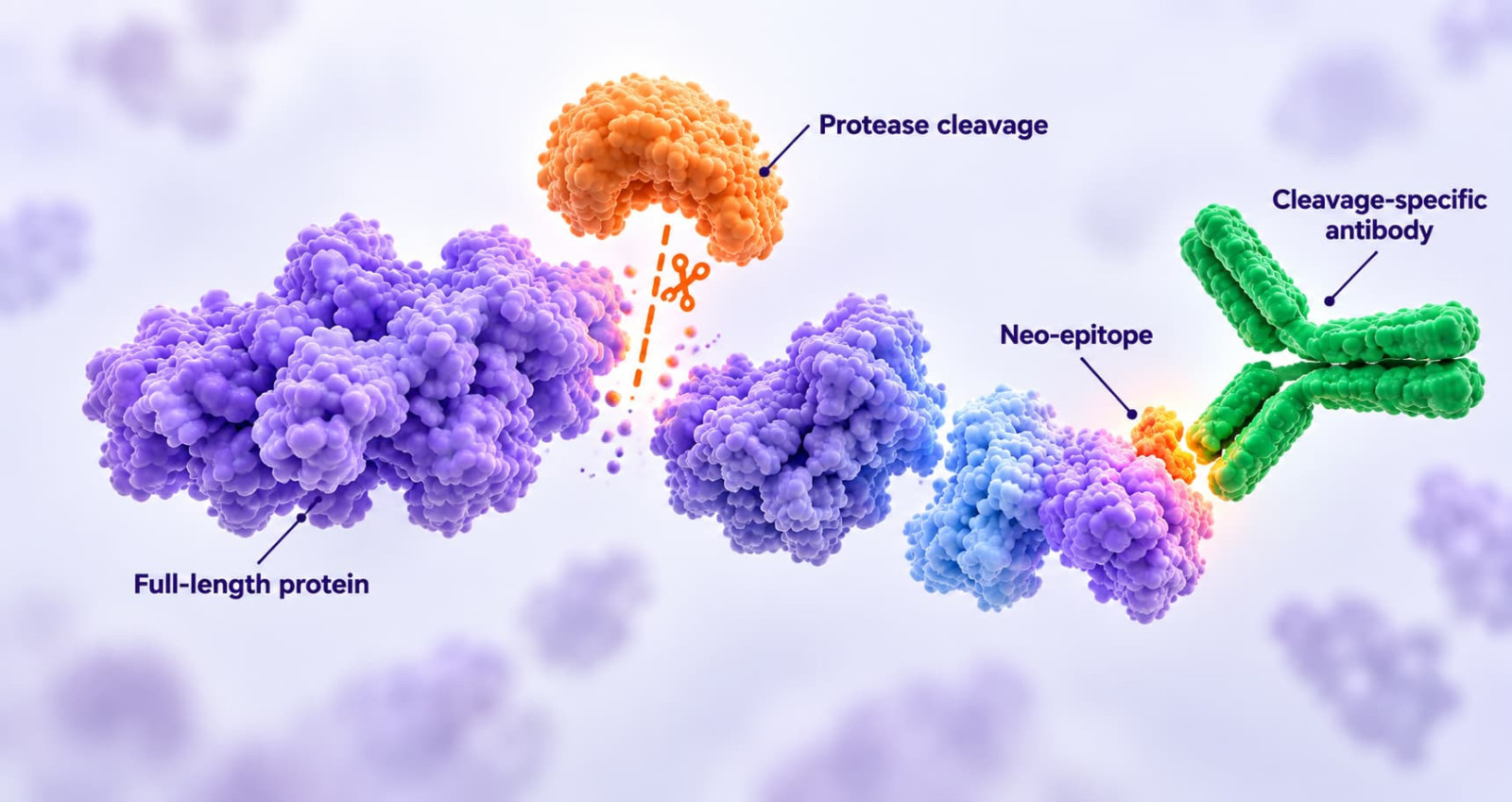
Proteolytic cleavage generates defined protein fragments and can create a new N- or C-terminus. Cleavage-specific antibodies are used to distinguish processed protein states from the full-length target. A true neo-epitope antibody specifically recognises the newly generated cleavage boundary, whereas some cleaved antibodies recognise a processed fragment more broadly.
When strict cleavage-site specificity is required, review the product's immunogen, epitope or specificity information, expected fragment and validation data before selection.
Selection should be based on the exact protein fragment and cleavage event you need to measure, not only on the parent protein name.
Check the cleavage residue and fragment designation, such as Cleaved-Asp175, p17, p20, N-terminal or C-terminal. Different cleavage products can represent different biological states.
Review the immunogen and specificity information to determine whether the antibody recognises a cleavage-generated neo-terminus, a defined cleavage site or a broader cleaved fragment.
Confirm validation for your intended application and species. For Western blotting, compare the expected molecular weight of the cleaved fragment with the full-length protein.
Where possible, pair the cleavage-specific antibody with a total-target antibody and include positive and negative cleavage controls to distinguish proteolytic processing from changes in total protein.
Our scientific support team can help compare cleavage sites, fragments, expected molecular weights, species reactivity and available validation data.