
You have no items in your shopping cart.

Methylation Antibodies
Histone methylation, methyl-lysine and methylation-state-specific antibodies.
BrowseYou have no items in your shopping cart.
Explore Biorbyt antibodies for studying protein post-translational modifications (PTMs), including methylation, acetylation, ubiquitination, SUMOylation and other modification-specific targets.
Find pan-modification, site-specific and linkage-specific antibodies for protein regulation, epigenetics and cell signalling research.
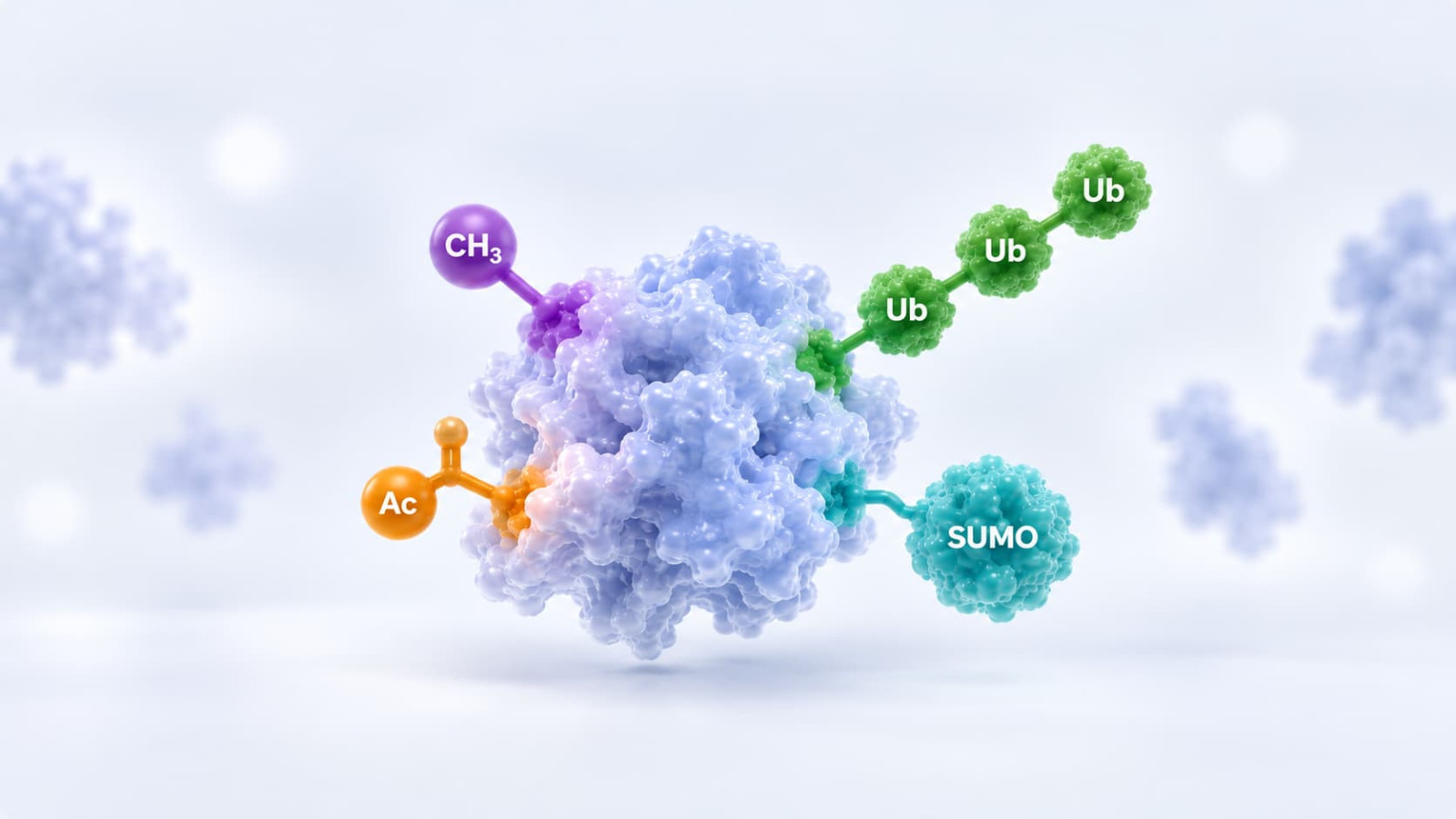
Start with the protein modification you need to detect.
Histone methylation, methyl-lysine and methylation-state-specific antibodies.
Browse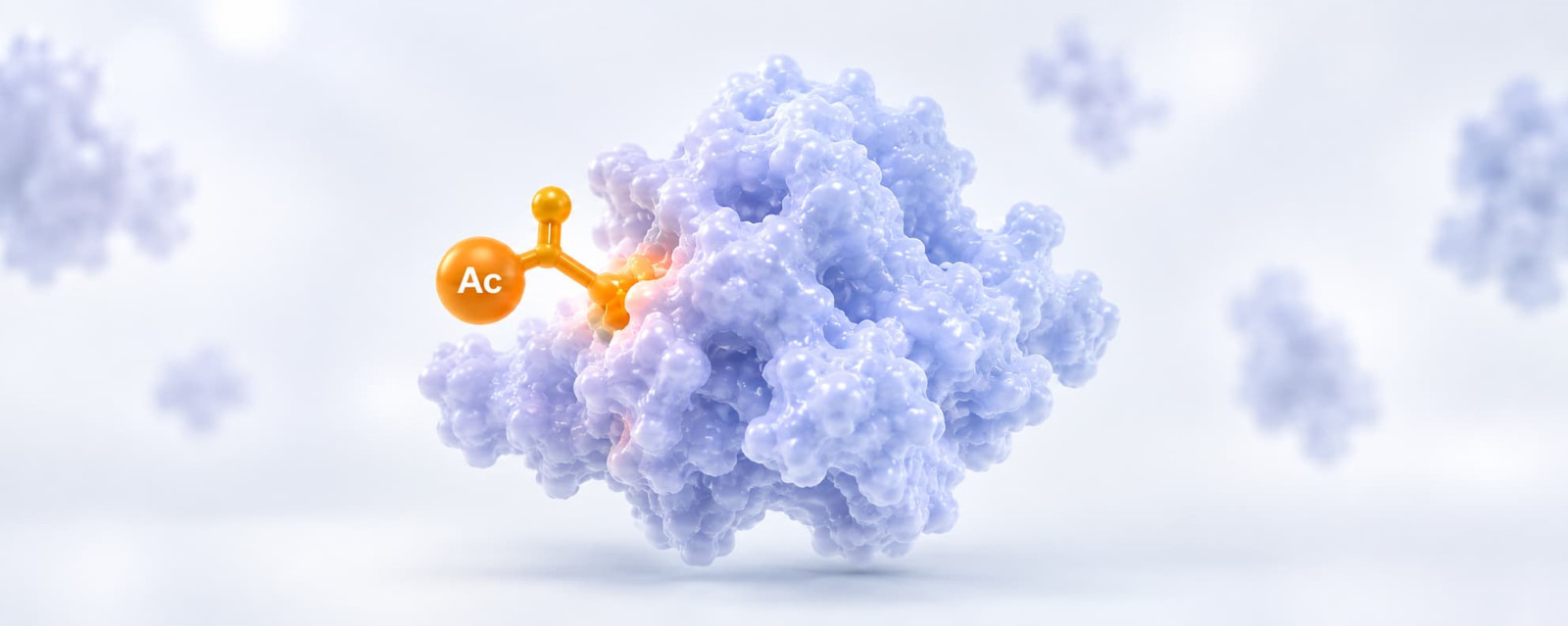

Pan-ubiquitin and linkage-specific antibodies, including K48- and K63-linked ubiquitin.
Browse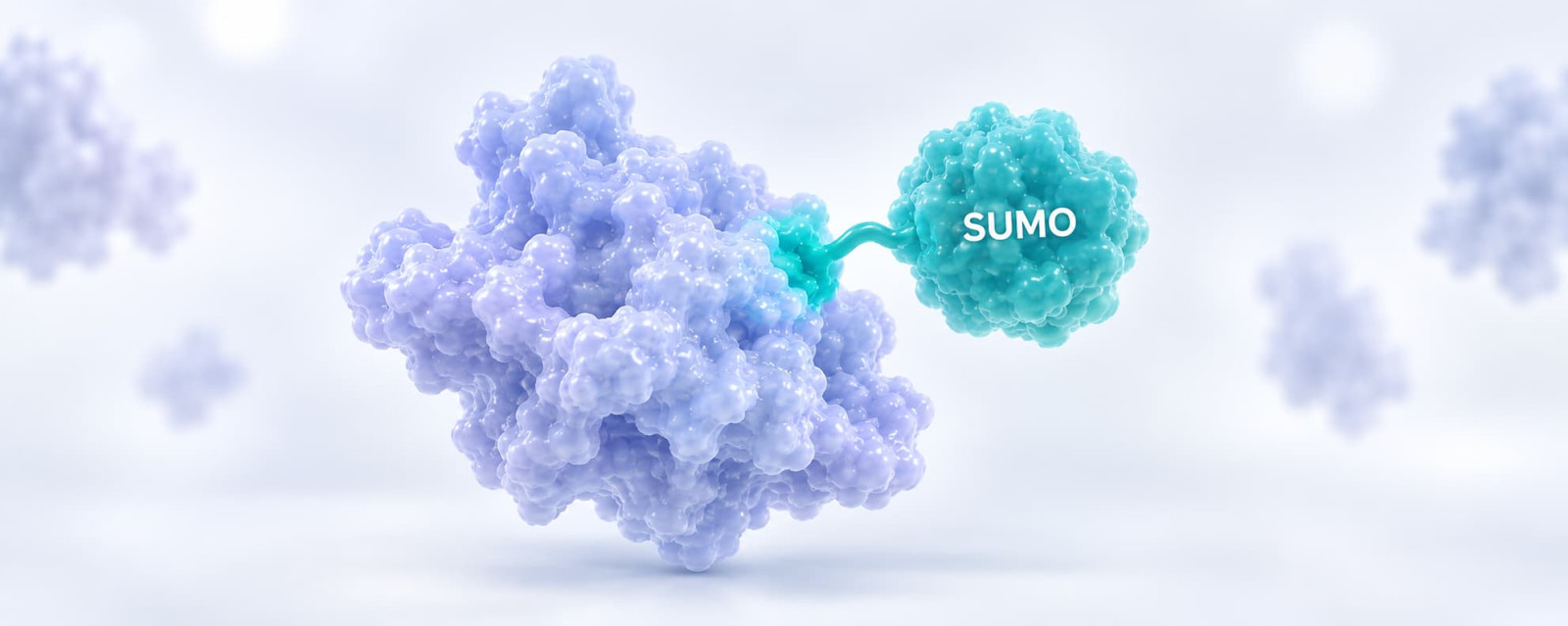
Phosphorylation is a major post-translational modification and has a dedicated Biorbyt antibody collection.
Explore additional modification classes for specialized protein and epigenetic research.
Post-translational modifications are covalent changes that can regulate protein activity, localisation, interactions, stability and turnover. PTM-specific antibodies enable researchers to detect defined protein modification states.
Depending on the experiment, an antibody may recognise a broad modification such as acetyl-lysine, a defined modified residue such as H3K27ac, or a specific ubiquitin linkage such as K48 or K63.
PTM antibody selection depends on the exact modification state, specificity and validation required for your experiment.
Identify the PTM you need to measure, such as methylation, acetylation, ubiquitination or SUMOylation. For methylation, also consider the required modification state such as me1, me2 or me3.
Decide whether you need a pan-modification antibody, a defined residue-specific antibody, or a linkage-specific reagent such as K48- or K63-linked ubiquitin.
Prioritise antibodies validated for your intended application and species. Review available experimental images and specificity information before selection.
Where relevant, compare the PTM-specific signal with the corresponding total target to distinguish changes in modification state from changes in protein abundance.
Explore representative Biorbyt antibodies across major and specialized PTM classes, selected for application coverage and available validation data.
| PTM | Featured Antibody | Tested Applications | Reactivity | SKU |
|---|---|---|---|---|
| Methylation | Histone H3 (TriMethyl-K4) Rabbit Polyclonal Antibody | ChIP, IF, IHC, IP, WB | Human, Mouse, Rat | orb412092 |
| Acetylation | Acetyl-Histone H3-K27 Polyclonal Antibody | ChIP, IF, IHC, IP, WB | Human, Mouse, Rat, Other | orb648591 |
| Ubiquitination | K63-linkage Specific Ubiquitin Recombinant Rabbit Monoclonal Antibody | FC, ICC, IF, IHC-Fr, IHC-P, WB | Human, Mouse, Rat | orb2561105 |
| SUMOylation | PML Sumoylation Site Antibody | FC, IF, IHC-P, WB | Human | orb33903 |
| Citrullination | Histone H3 Citrullination Arg2+Arg8+Arg17 Rabbit Monoclonal Antibody | IF, IHC, IP, WB | Human, Mouse, Rat | orb3227160 |
| Crotonylation | Crotonyl-HIST1H2BC (K12) Antibody | ChIP, ELISA, IF, IP, WB | Human | orb516361 |
Our scientific support team can help compare modification sites, specificity, species reactivity and validation data.