
You have no items in your shopping cart.

Protein Expression & Cell Signaling
Fibroblast Growth Factor Receptors
Recombinant FGFR3b, FGFR3c, and related splice variants for cutting-edge research in angiogenesis, oncology, and developmental biology.
Fibroblast Growth Factor Receptors (FGFRs) are a highly conserved family of FGF-binding transmembrane receptors intimately involved in regulating cell growth, cellular proliferation, angiogenesis, and numerous critical developmental processes.
Therapeutic Oncology Targets
The signaling pathways activated by the FGFR/FGF axis have been strongly implicated in the pathogenesis of several advanced cancers. Consequently, selective FGFR inhibitors are being heavily investigated and trialed as potential targeted therapeutic agents in modern clinical oncology studies.
1. FGFR Structure & Signaling
FGFRs possess a highly specialized and conserved structural architecture necessary for transducing extracellular signals across the cellular membrane.
Extracellular Domains
The extracellular region consists of three distinct immunoglobulin-type domains (IgI, IgII, and IgIII), which act collectively to enable highly specific FGF ligand binding.
Transmembrane & Kinase Domains
A single-pass transmembrane domain anchors the receptor, leading into an intracellular tyrosine kinase domain which rapidly auto-phosphorylates upon ligand binding to exert powerful downstream signaling effects.
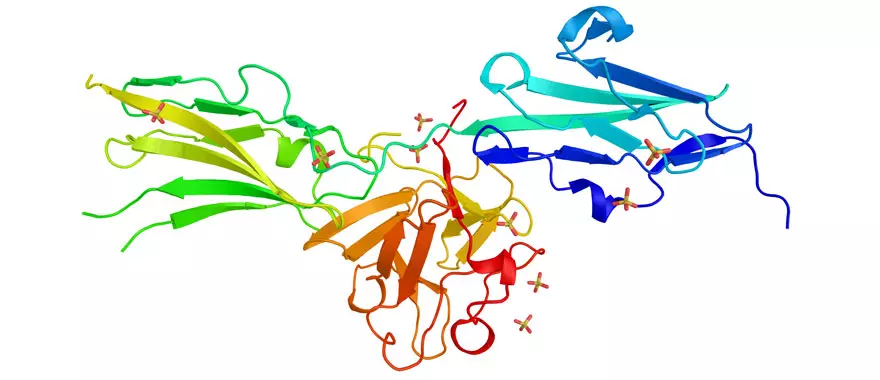
FGFR isoforms generated from the alternative splicing of FGFR genes display highly tissue-specific expression profiles and various FGF binding properties. Using a novel, stable mammalian expression system, Biorbyt can provide multiple high-purity and low-endotoxin Recombinant Human Fibroblast Growth Factor Receptors, comprehensively covering all the major splice variants.
2. Authentic Mammalian Proteins: FGFR1b & FGFR1c
The splice variant FGFR1b is an isoform representing an epithelial variant of FGFR1, while FGFR1c represents a strictly mesenchymal variant.
These authentic mammalian Fibroblast Growth Factor Receptors are specifically supplied with a C-terminal 10x Histidine tag for extreme ease of detection and purification. This smaller, streamlined tag offers distinct functional and steric advantages over the bulky Fc-tags found on many similar commercial products, ensuring the recombinant protein mimics native folding and functional activity as closely as possible.
3. A Focus on Quality: FGFR2b & FGFR2c
Similarly, FGFR2b is an alternatively spliced isoform representing an epithelial variant of FGFR2, while FGFR2c acts as a mesenchymal variant. Biorbyt offers these high-quality, biologically validated recombinant proteins to suit numerous high-end laboratory applications, including sensitive Western Blot analysis, ELISA standards, and functional cellular assays.
4. References
- Chae, Y. K. et al. Inhibition of the fibroblast growth factor receptor (FGFR) pathway: the current landscape and barriers to clinical application. Oncotarget vol. 8,9 (2017): 16052-16074.
- Porta, R. et al. FGFR a promising druggable target in cancer: Molecular biology and new drugs. Crit Rev Oncol Hematol. vol. 113 (2017): 256-267.